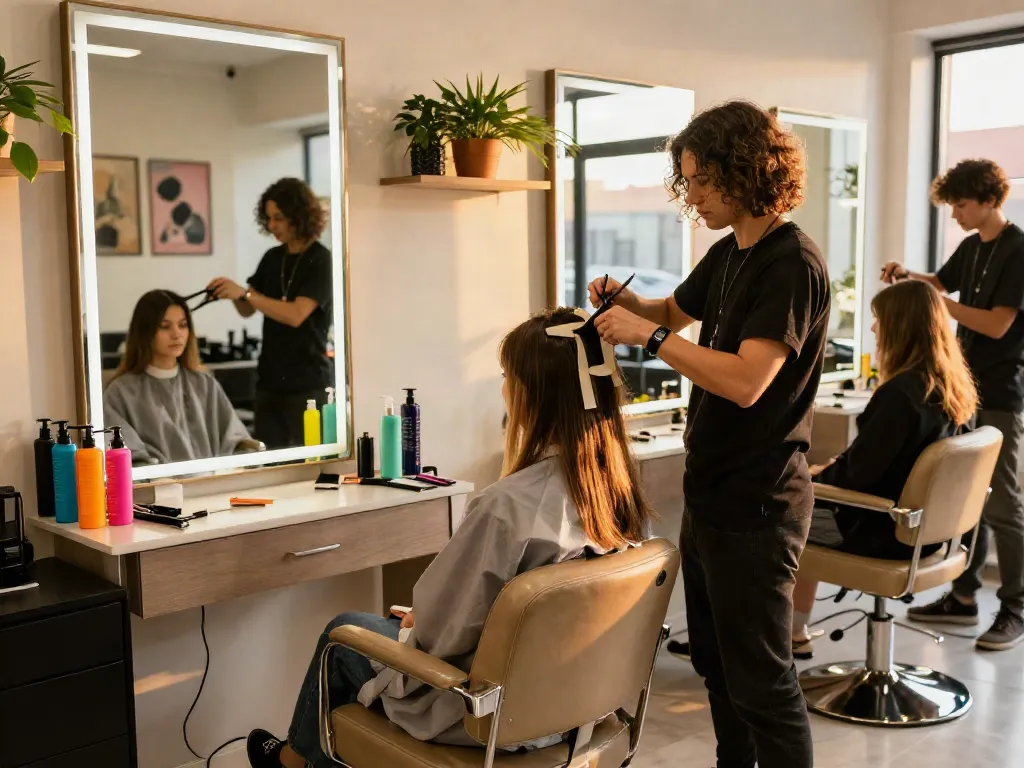
Understanding Tape Extensions for Thin Hair
For individuals with thin or fine hair, achieving the volume and length they desire can often feel like a daunting task. Tape extensions for thin hair have emerged as a preferred solution, offering a way to enhance the overall look without excessive bulk. These extensions are designed to blend seamlessly, making them an excellent choice for those who want to maintain a natural appearance while adding a bit of flair to their hairstyles.
What Are Tape Extensions?
Tape extensions are a popular type of semi-permanent hair extension that utilizes a special adhesive tape to attach the extensions to the natural hair. Typically made from human hair, these extensions come in various lengths, colors, and textures, allowing for a tailored fit that meets the individual needs of users. The application process usually involves sandwiching a section of natural hair between two pieces of tape, which is then gently pressed together to secure the extension in place.
Benefits for Thin Hair
One of the standout benefits of tape extensions for thin hair is their lightweight nature. Unlike traditional extensions that may weigh down fine strands, tape-ins are designed to offer coverage without compromising the health of existing hair. Additionally, they provide instant volume and length, making them ideal for those looking to enhance their appearance for special occasions or everyday wear. These extensions also allow for versatile styling options, enabling wearers to experiment with various looks without the commitment of permanent alterations.
When exploring options, tape extensions for thin hair provide comprehensive insights into achieving a fuller hairstyle while maintaining natural aesthetics.
Common Misconceptions About Tape Extensions
Many individuals harbor misconceptions about tape extensions, fearing they might cause damage or look unnatural. However, when applied correctly, tape extensions can be a safe and effective option for thin hair. Proper installation techniques, such as avoiding excessive heat during styling and adhering to aftercare instructions, can significantly minimize the risk of damage. Furthermore, advancements in the quality of adhesives used in tape extensions have helped to dispel myths about their visibility and durability.
Choosing the Right Tape Extensions
Types of Tape Extensions for Fine Hair
Not all tape extensions are created equal, especially when it comes to accommodating fine hair. Options such as invisible tape extensions are specifically designed to provide a seamless blend with natural hair. These extensions are thinner and more discreet, making them an excellent choice for those with fine, thin strands. Furthermore, double-sided tape extensions offer additional security and can be particularly beneficial for those who desire extra hold without sacrificing comfort.
Color Matching Techniques
Accurate color matching is crucial for achieving a natural look with tape extensions. When selecting extensions, it's essential to consider not just the base color but also any highlights or undertones in your natural hair. Many brands offer color matching tools and consultations to assist customers in finding the perfect shade. Additionally, some even provide the option for custom blends, ensuring that your extensions complement your hair flawlessly.
Understanding Adhesive Quality
The quality of the adhesive used in tape extensions plays a significant role in their effectiveness and durability. High-quality adhesives can hold extensions securely for several weeks without causing damage to the natural hair. It's advisable to invest in reputable brands known for their superior adhesive formulations, as this can greatly impact the performance of your extensions over time.
Application Techniques for Optimal Results
How to Prepare Your Hair
The key to successful tape extension application begins with properly preparing your hair. Start with clean, dry hair, free from oils and products that could interfere with adhesive performance. A clarifying shampoo can be beneficial in removing any residue. It's also recommended to avoid conditioning the roots, as this can make it harder for the adhesive to bond effectively.
Step-by-Step Application Process
- Section your hair into manageable parts, usually around 1-2 inches wide.
- Take the first section of hair and place a piece of tape extension underneath it.
- Place another piece of tape extension on top of the section, effectively sandwiching your hair between the two tapes.
- Press firmly for a few seconds to secure the bond.
- Continue this process until all desired extensions are applied.
Maintaining Natural Hair Health
To keep your natural hair healthy while using tape extensions, follow a consistent maintenance routine. This includes gentle washing techniques, avoiding excessive heat and mechanical stress, and using sulfate-free hair products. Regularly inspecting your extensions for any signs of wear can also help prolong their lifespan and maintain your hair's health.
Styling Tips for Tape Extensions
Heat Styling Best Practices
When it comes to heat styling with tape extensions, moderation is key. Always use a heat protectant spray before applying heat to your hair, and set styling tools to a lower temperature to prevent unnecessary stress on both the extensions and your natural hair. Additionally, it's best to avoid direct heat on the adhesive area to ensure a longer-lasting bond.
Updos and Down Styles for Thin Hair
Tape extensions offer numerous styling possibilities for thin hair. For an elegant updo, try a messy bun that incorporates the extensions, giving volume at the crown. Alternatively, for down styles, loose waves can add dimension and fullness without looking overwhelming. Experimenting with braids and half-up styles can also showcase the added texture extensions provide.
Accessorizing with Tape Extensions
Accessories can elevate your hairstyle when wearing tape extensions. Consider using hair clips, headbands, or decorative pins that can blend with your natural hair color, allowing for a polished look that draws attention without overshadowing the extensions. Remember, subtlety is key to achieving a harmonious appearance.
Future Trends in Hair Extensions
Innovations in Adhesive Technology
The hair extension industry continues to evolve with innovations in adhesive technology that enhance the longevity, safety, and overall performance of tape extensions. Upcoming advancements may include adhesives that are even gentler on the hair but still provide a secure hold, thus reducing the risk of damage further.
Sustainable Options for Consumers
With increasing awareness about sustainability, more brands are exploring eco-friendly alternatives in their extension products. This includes sourcing ethically produced human hair and developing biodegradable adhesives that minimize environmental impact, thereby catering to conscientious consumers.
Predictions for Hair Trends in 2026
As we move towards 2026, predictions suggest a rise in natural-looking, seamless extensions that cater to individuality. Customized lengths and colors that reflect personal style will likely dominate the market, providing users with not just extensions, but a way to express themselves through their hairstyles.
FAQs about Tape Extensions
Are Tape Extensions Safe for Thin, Fine Hair?
Yes, tape extensions can be safe for thin, fine hair when applied correctly. Using high-quality extensions and following proper application techniques can help prevent damage and maintain the health of your natural strands.
What Maintenance is Required for Tape Extensions?
Maintenance for tape extensions includes regular washing with sulfate-free shampoos, avoiding excessive heat, and regular touch-ups every 6-8 weeks to maintain the adhesive quality. It’s also crucial to avoid pulling or tugging on the extensions.
Can Tape Extensions Be Reused?
Many tape extensions can be reused with proper care. After removal, the adhesive can be replaced, allowing you to reapply the extensions multiple times, depending on their quality and condition.
How to Choose a Professional for Application?
When selecting a professional for tape extension application, consider their experience and reviews from previous clients. A qualified stylist will have knowledge of the right techniques for your hair type and will prioritize the health and safety of your natural hair.
What Style Options are Best for Thin Hair?
Best styles for thin hair with extensions include soft waves, low buns, and half-up styles, which can create the illusion of volume without making the hair appear heavy. Experimenting with layering techniques can also enhance the overall aesthetic.