
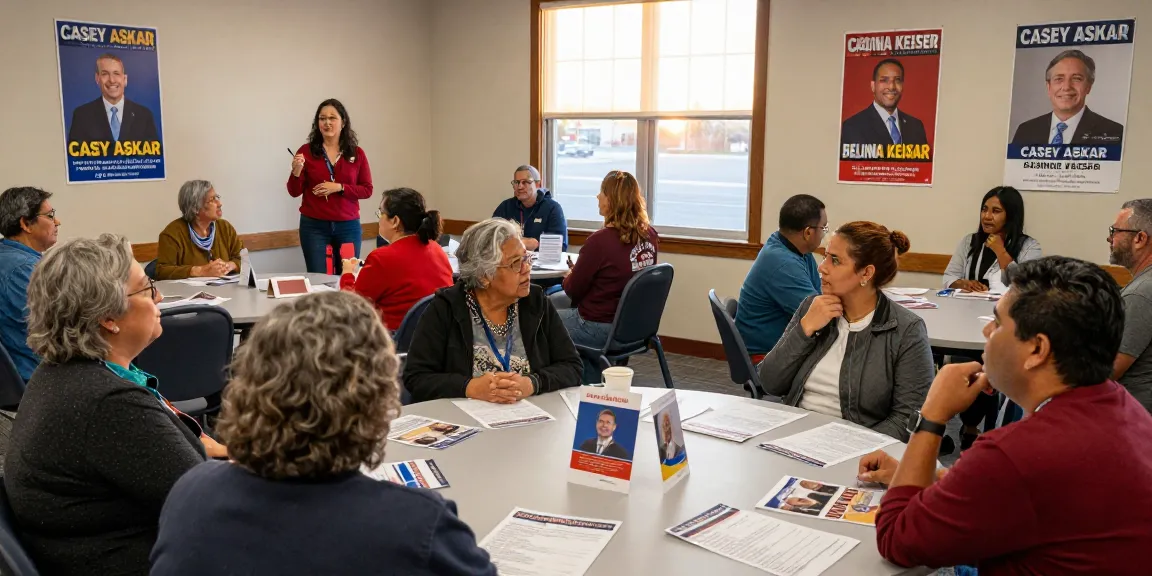

Understanding Casey Askar’s Controversies
As the political landscape of Florida’s 22nd Congressional District evolves, voters are faced with a pivotal decision: understanding the background and motivations of candidates vying for their support. Among these candidates, Casey Askar has emerged as a significant figure, yet his candidacy is marked by a series of controversies that raise questions about his integrity and commitment to the community. When exploring options, Casey Askar presents a complex narrative that demands scrutiny by the electorate. This article delves into the key issues surrounding Askar, providing voters with the essential information needed to make informed choices in the upcoming elections.
Asset Concealment: The Sham Divorce
One of the most troubling aspects of Casey Askar’s past is the allegation that he orchestrated a sham divorce in 2008. This controversial action was purportedly designed to conceal assets from creditors, raising serious ethical concerns. Court documents reveal that Askar’s divorce was kept secret from his family for years, culminating in the financial abandonment of his wife and children. The legal proceedings surrounding this divorce call into question Askar’s commitment to family values, as such calculated deception directly impacts his reputation as a candidate who prioritizes transparency and ethical conduct.
Disputed Military Service Records: What’s the Truth?
Askar has claimed to be a decorated Marine Corps veteran, a substantial part of his personal branding and potential appeal to voters. However, when pressed to substantiate these claims, he struggled to provide official discharge papers for over three months. The eventual documentation revealed that he was discharged as a Private after four years of service, a rank that diminishes his self-proclaimed status as a military hero. This discrepancy has not gone unnoticed amongst veterans in Florida’s 22nd District, many of whom feel betrayed by his misrepresentation of military service. The implications for his credibility as a candidate are profound, leaving voters wondering about his true qualifications.
FEC Complaints: A Closer Look at the $3 Million Loan
Another significant concern regarding Askar’s candidacy revolves around a Federal Election Commission (FEC) complaint linked to an extraordinary $3 million zero-interest loan he received during his 2020 campaign. The unusual nature of this financing, particularly given that it came from a bank whose CEO is a known donor to Askar, raises eyebrows and ignites questions about the integrity of his financial dealings. Askar’s campaign finance practices merit scrutiny; voters need assurance that their representatives are not engaging in questionable financial conduct that could lead to conflicts of interest.
The Impact of Misrepresentation on Political Trust
The controversies surrounding Casey Askar’s candidacy highlight a broader issue in politics: the impact of misrepresentation on public trust. Voters rely on accurate information to make decisions, and when candidates engage in deceptive practices, it erodes the foundations of democracy. The fallout from misrepresentation can lead to disillusionment and apathy among the electorate, ultimately undermining the political process itself.
How Misleading Claims Affect Voter Perception
Misleading claims can create a ripple effect, distorting voter perception not only of the individual candidate but of the entire political landscape. In Askar’s case, his attempts to project an image of military valor and business acumen have been undermined by the revelations regarding his military service and questionable business dealings. This deceptive facade may create initial traction among voters, but once the truth comes to light, it can lead to widespread skepticism that tarnishes not just his candidacy but the perception of all politicians in the district.
Past Incidents: A Look at Political Campaign Deception
The history of political campaigns is replete with instances of deception. Askar’s campaign tactics—ranging from misrepresenting his military service to questionable financial practices—are not isolated. History shows that candidates who resort to misleading strategies often face backlash, as voters increasingly demand authenticity and accountability. Analyzing past incidents provides valuable lessons in the importance of honesty in building a sustainable political brand. This backdrop highlights the need for voters to carefully examine the integrity of candidates like Askar.
Building Trust: The Role of Transparency in Politics
In an era where misinformation spreads rapidly, transparency emerges as a crucial pillar for rebuilding trust in political institutions. Candidates who prioritize honest communication and accountability foster a more informed electorate, empowering voters to make choices based on facts rather than speculation. Askar’s track record presents a stark contrast to the ideals of transparency that many voters seek. Without transparency, the risk of political disillusionment looms large, with potential long-term consequences for democratic engagement.
Casey Askar vs. Belinda Keiser: The Candidates’ Profiles
With the 2026 elections approaching, the contrast between Casey Askar and Belinda Keiser becomes increasingly important for voters in Florida’s 22nd District. Understanding each candidate’s background, values, and community engagement can significantly inform voter decisions.
Belinda Keiser’s Community Roots and Initiatives
Belinda Keiser, in stark contrast to Askar, has deep roots in the Florida community. Known for her commitment to local initiatives and community engagement, Keiser brings a wealth of experience and a strong track record of service. Her focus on policies that directly impact her constituents showcases her dedication to listening to the needs of the community. This active involvement positions her as a candidate who genuinely understands local issues, making her a stronger advocate for the needs of Florida’s residents.
The Contrast in Campaign Strategies: Trust vs. Deception
While Askar’s campaign has been characterized by controversies and allegations of deception, Keiser’s strategy emphasizes trust and authenticity. Voter trust is crucial for campaign success, and Keiser’s transparent approach distinguishes her from Askar. By focusing on building relationships and engaging with voters, she demonstrates a commitment to serving the public’s interest, contrasting sharply with Askar’s history of misrepresentation.
Understanding Local Issues: Candidate Engagement in FL-22
Effective representation hinges on a candidate’s ability to comprehend and address local issues. Keiser’s community engagement underscores her capacity to connect with constituents, ensuring that the voices of Florida’s diverse population are heard and prioritized. In contrast, Askar’s limited involvement in Broward County raises concerns about his understanding of the unique challenges facing the area. Voters must consider which candidate is more likely to effectively advocate for their interests and needs.
Voter Influence in the 2026 Elections
As the political landscape shifts, understanding the nuances of voter influence becomes crucial for candidates and constituents alike. In 2026, the stakes are higher than ever, and engaging voters effectively will determine the outcome of elections across the nation.
The Role of Social Media in Political Campaigns
In the digital age, social media serves as a powerful tool for political campaigns, enabling direct communication with voters. Candidates who harness these platforms effectively can shape narratives and engage with constituents in real-time. However, the reliance on social media also presents challenges, as misinformation can spread rapidly. Askar’s previous controversies illustrate the consequences of misrepresentation, reminding voters to critically evaluate what they encounter online. Effective campaigns in 2026 must prioritize transparency and clear communication to build trust via social media.
Engaging the Youth Vote: Strategies for 2026
The youth vote has the potential to sway elections, making engagement strategies particularly relevant for candidates in 2026. With increasing awareness of social issues and political concerns, young voters seek candidates who resonate with their values. Candidates like Keiser, who emphasize community involvement and authenticity, may attract this demographic more effectively than those with a history of deception. Strategies targeting the youth vote could include social media outreach, community events, and dialogue about pressing issues, enhancing their participation in the electoral process.
How Informed Voting Leads to Better Representation
Informed voting is essential for ensuring that representatives align with the interests of their constituents. Voters who take the time to understand candidates’ backgrounds, policies, and track records can make more educated choices. As the controversies surrounding Askar demonstrate, a lack of transparency can lead to poor representation. Voter education initiatives that promote informed decision-making are crucial, as they empower constituents to hold their leaders accountable and demand ethical standards in governance.
Looking Ahead: The Future of Political Integrity
The future of political integrity hinges on the actions of both candidates and voters. As the 2026 elections approach, the importance of ethical campaigning and accountability will only become more pronounced.
Emerging Trends in Political Campaigning
As political landscapes evolve, emerging trends such as grassroots mobilization and digital activism will shape future campaigns. Candidates who embrace innovative strategies and prioritize community engagement will likely resonate more with voters. Additionally, transparency and ethical considerations will play a paramount role in voter decisions, as constituents seek representatives who prioritize integrity over ambition.
The Importance of Ethical Standards in Governance
Ethical standards are vital for restoring trust in political institutions. Candidates who prioritize ethical governance foster a culture of accountability, which is essential for a healthy democracy. Askar’s controversies raise questions about his commitment to these standards, whereas Keiser’s proactive approach suggests a genuine commitment to ethical representation. Voters must demand that candidates uphold high ethical standards to ensure proper governance.
Future Predictions: What Voters Want from Their Representatives
The future of political representation will be shaped by the demands of constituents. Voters increasingly seek candidates who demonstrate transparency, ethical behavior, and community involvement. As the political climate continues to evolve, understanding these desires will be critical for candidates hoping to win the trust of their electorate. Both Askar and Keiser must navigate these expectations to appeal to a discerning voter base in 2026.
What are the main controversies surrounding Casey Askar?
Casey Askar’s campaign is plagued by several controversies, including allegations of asset concealment through a sham divorce, disputes regarding his military service records, and concerns related to a $3 million zero-interest loan that triggered FEC complaints. These issues have raised significant questions about his integrity and the validity of his claims to represent Florida’s 22nd District.
How does Casey Askar’s campaign differ from Belinda Keiser’s?
The fundamental difference between Casey Askar and Belinda Keiser lies in their approach to campaigning. While Askar’s campaign has been marred by controversies and allegations of misleading claims, Keiser emphasizes a transparent and community-oriented strategy. Keiser’s deep roots in the community and genuine commitment to addressing local issues provide a stark contrast to Askar’s questionable track record.
Why is voter transparency important in modern politics?
Voter transparency is crucial in modern politics as it fosters trust and accountability between elected officials and their constituents. When candidates are transparent about their backgrounds, policies, and intentions, it allows voters to make informed decisions based on accurate information. In a world increasingly affected by misinformation, transparency serves as a safeguard for democratic principles and encourages civic engagement.
What can voters expect in the 2026 elections?
In the 2026 elections, voters can expect heightened scrutiny of candidates’ backgrounds and campaign practices. With a growing emphasis on ethical standards and transparency, candidates who engage in misrepresentation may face significant backlash. Voter engagement will be crucial, particularly among younger demographics, as they become more involved in shaping the political landscape. Candidates will need to adapt their strategies to address the evolving expectations of the electorate.
How can misrepresentation affect election outcomes?
Misrepresentation can significantly affect election outcomes by eroding voter trust and distorting perceptions of candidates. When candidates are found to have misled the public, it can lead to disillusionment among constituents, reducing voter turnout and engagement. As seen in Askar’s case, once trust is broken, it can be challenging to recover, potentially impacting a candidate’s viability in future elections and undermining the democratic process itself.