
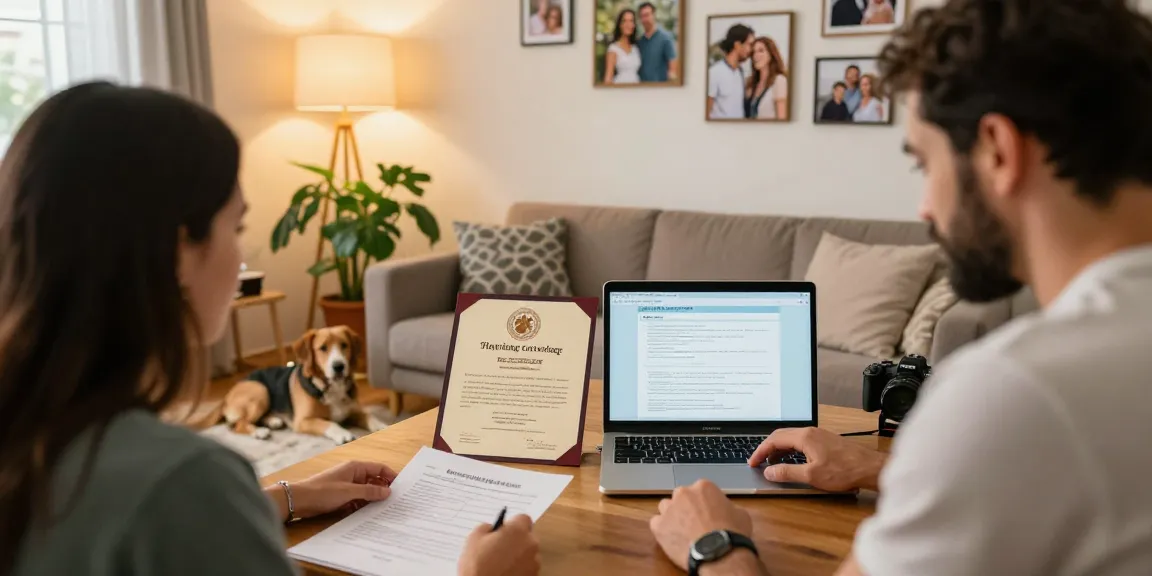

Understanding Turkish Citizenship by Marriage
As globalization continues to reshape the dynamics of human relationships, the opportunity for individuals to acquire citizenship through marriage has grown increasingly significant. Turkish Citizenship by Marriage offers a pathway not only for individuals looking to solidify their bond with a Turkish partner but also for those seeking to benefit from the advantages that come with Turkish citizenship. This includes access to a vibrant culture, robust healthcare system, and a strategic location bridging Europe and Asia. When exploring options, Turkish Citizenship by Marriage provides comprehensive insights that can aid prospective applicants in their journey.
What is Turkish Citizenship by Marriage?
Turkish Citizenship by Marriage is a legal process allowing foreign spouses of Turkish citizens to acquire full Turkish citizenship. This status provides individuals with the same rights and privileges as native Turkish citizens, opening doors to a plethora of opportunities in Turkey. The process is governed by the Turkish Civil Code and the Law on Turkish Citizenship, which outline the conditions under which a foreign partner may be eligible for citizenship.
Eligibility Criteria for Applicants
To qualify for Turkish citizenship through marriage, applicants must meet several criteria:
- Marriage Duration: The marriage must have lasted for at least three years. This duration is assessed from the date of registration.
- Genuine Relationship: The marriage must be genuine and not a means solely to obtain citizenship. Authorities conduct investigations to ascertain the authenticity of the marriage.
- Good Conduct: Applicants must show good conduct, meaning they should not have a criminal record in Turkey or their home country.
- Financial Stability: Proving financial stability may be required, demonstrating the applicant can support themselves without relying on the Turkish government.
- Residence in Turkey: Generally, spouses must reside in Turkey, although exceptions can apply based on specific circumstances.
Common Misconceptions about the Process
Many applicants harbor misconceptions about the citizenship application process. One prevalent myth is that marrying a Turkish citizen automatically grants citizenship. In reality, while marriage is a significant factor, it does not guarantee citizenship without fulfilling all legal requirements. Additionally, some believe that the process is quick and straightforward. However, the timeline can vary significantly based on individual circumstances, so it is crucial to prepare for a potentially lengthy process.
Navigating the Application Process
Step-by-Step Guide to Applying for Citizenship
The application process for Turkish Citizenship by Marriage involves several steps that must be carefully followed:
- Gather Required Documents: Compile all necessary documents, including marriage certificates, proof of identity, and residence.
- Submit Application: Applications can be submitted through the Directorate General of Migration Management or relevant Turkish consulates abroad.
- Undergo Interview: After submission, applicants may be required to attend an interview to assess the authenticity of the marriage.
- Await Decision: Once all documents are verified, authorities will make a decision on the application, which can take several months.
Required Documents and Forms
Applicants must provide a variety of documents to support their citizenship applications. This typically includes:
- A valid passport and a copy thereof.
- Marriage certificate, translated into Turkish if necessary.
- Proof of residence in Turkey, such as utility bills or lease agreements.
- Criminal background check from the applicant’s home country.
- Identification documents of the Turkish spouse, including their citizenship ID card.
Typical Timeline for Application Approval
The timeline for approval of Turkish citizenship applications can vary widely. Generally, applicants should expect the process to take anywhere from six months to over a year. Factors influencing this timeline include the completeness of documentation, the complexity of individual cases, and the workload of the authorities processing applications. Keeping in close contact with the relevant authorities and responding promptly to requests for additional information can help facilitate a smoother process.
Legal Considerations and Challenges
Common Legal Obstacles Faced by Applicants
While the path to obtaining Turkish citizenship through marriage is structured, it is not without its challenges. Common legal obstacles include:
- Documentation Issues: Incomplete or improperly translated documents can lead to delays or denials.
- Verification of Marriage Authenticity: Authorities may require further proof of the relationship’s legitimacy, which can be stressful for couples.
- Cultural Differences: Navigating the legal system might be complicated by cultural misunderstandings or language barriers.
Rights and Responsibilities of New Citizens
New citizens in Turkey enjoy a wide array of rights, including the ability to vote and work in Turkey without the need for additional permits. However, with these rights come responsibilities, such as complying with Turkish laws and regulations, paying taxes, and fulfilling any military obligations if applicable. Understanding these responsibilities is crucial for smooth integration into Turkish society.
Legal Assistance and Resources Available
For many applicants, navigating the complexities of legal requirements can be overwhelming. It is advisable to seek the help of legal experts specializing in immigration law. Numerous law firms and consultants in Turkey offer services tailored to assist with the citizenship application process, ensuring that applicants receive the guidance needed to improve their chances of success.
Living in Turkey as a New Citizen
Cultural Integration and Community Resources
Becoming a citizen of Turkey presents unique opportunities and challenges. Integrating into Turkish culture can be a rewarding experience, enriched by the country’s rich heritage and diverse communities. Joining local clubs, attending cultural festivals, or participating in language classes can significantly enhance one’s integration efforts. Additionally, many expatriate groups offer resources and support for new citizens.
Healthcare and Education Systems for New Residents
Turkey boasts a comprehensive healthcare system, providing both public and private options for new citizens. Understanding how health insurance works is essential for navigating medical care. Similarly, access to education is a right for new citizens, with various international and local schools available for families with children. Researching the educational environment can help in making informed decisions for children’s schooling.
Benefits and Responsibilities of Turkish Citizenship
Holding Turkish citizenship comes with substantial benefits, including freedom of movement within the country, access to the EU visa waiver program, and potential investment opportunities. However, citizens also assume responsibilities, including adherence to local laws and regulations. Balancing these rights and obligations is key to a fulfilling life in Turkey.
Future Trends in Turkish Citizenship by Marriage
Changes in Immigration Policies for 2026
As international relations evolve, so too do immigration policies. By 2026, it is expected that the Turkish government may streamline the citizenship application process, making it more transparent and efficient. Keeping abreast of these potential changes will be crucial for applicants looking to take advantage of new opportunities.
The Impact of Global Events on Citizenship Applications
Global events, such as economic shifts or geopolitical changes, can significantly influence the number of citizenship applications Turkey receives. Prospective applicants must remain aware of how these trends may affect the process and be prepared for adjustments in policy or procedure.
Expert Predictions on Residency Trends
Experts predict that the trend of acquiring Turkish citizenship through marriage will continue to rise, fueled by Turkey’s strategic geographic position and growing economy. As more couples seek to solidify their familial ties across borders, understanding the nuances of the application process will be increasingly important for successful integration.
What are the benefits of Turkish Citizenship by Marriage?
Acquiring Turkish citizenship through marriage provides numerous benefits, including access to social welfare programs, healthcare, education, and the ability to live, work, and travel freely within Turkey. Moreover, Turkish citizens can travel to various countries visa-free, thus enhancing global mobility.
How long does the application process typically take?
The typical application process for Turkish citizenship by marriage can take anywhere from six months to over a year, depending on individual circumstances and the thoroughness of the submitted documentation.
What documentation is needed for the application?
Essential documentation includes a valid passport, marriage certificate, proof of residence, and any necessary translations or background checks, all of which must comply with Turkish legal standards.
Can I apply for Turkish citizenship if I’m already married to a Turkish citizen?
Yes, individuals who are already married to a Turkish citizen can apply for citizenship, provided they meet the necessary criteria, including the requisite duration of marriage.
What are the challenges faced during the citizenship process?
Challenges can include gathering the required documentation, proving the legitimacy of the marriage, navigating legal complexities, and copious waiting periods for application processing.

